Fideuá vs. Paella: Differences You Should Know Before Ordering
· 6 min read
The eternal question of summer in Spain! You sit on a terrace, the sun caressing your face, and the waiter asks you the big question:
—Paella or fideuá?
And that's where the dilemma begins. One comes with rice, the other with noodles, your grandmother's was unbeatable...
In this article I am going to tell you the real differences Between fideuá and paella, interesting facts, varieties, history, tips for pairing them with drinks, and even a traditional recipe. So, the next time you order, you'll do so with confidence and even more enthusiasm.
And of course, you'll find out how we do it in Tradition Paellitas, where we take care of every detail, from the broth to the last grain of rice or noodles, so that each dish is a true tribute to Valencian cuisine.
What is paella and what is fideuá?
Paella: the queen of rice
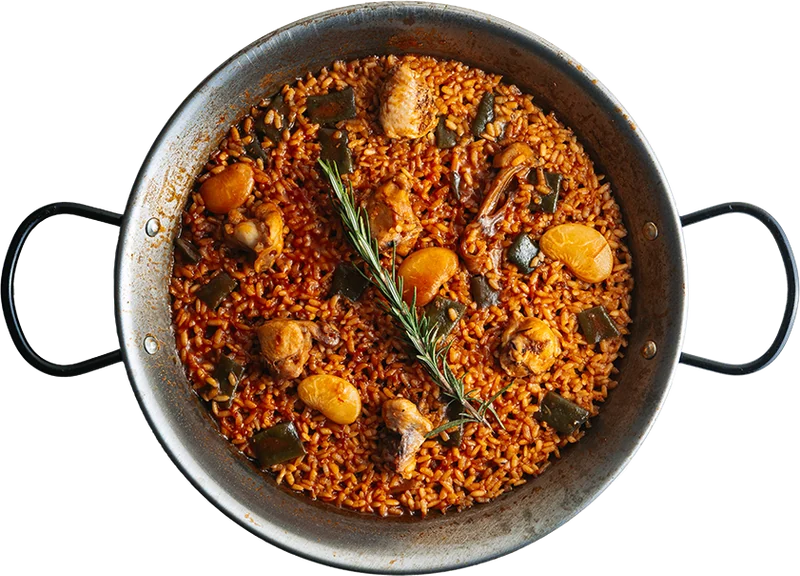
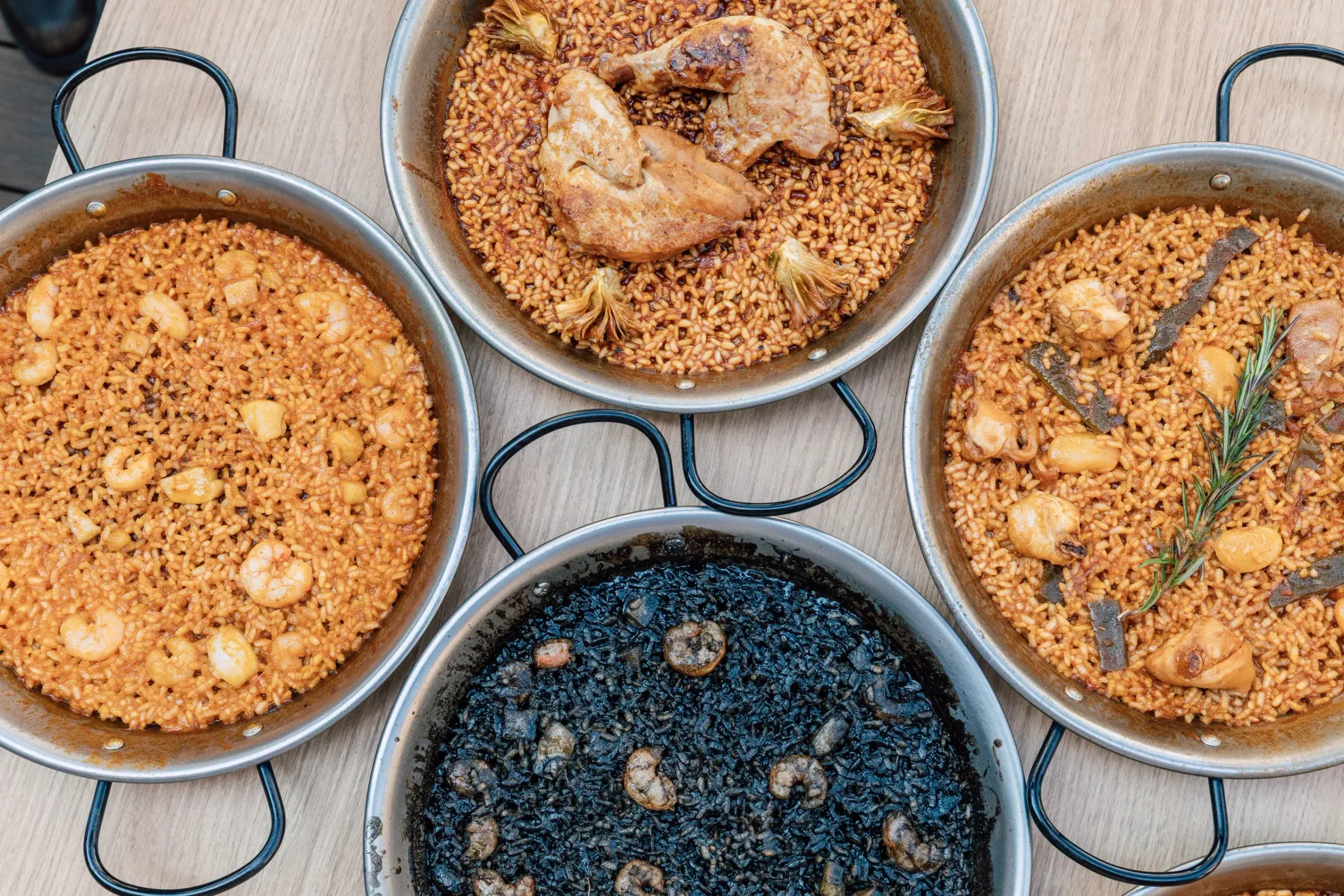
Paella is that typical Valencian dish that has conquered the world… although half the planet prepares it with chorizo (sacrilege!). It is traditionally cooked in a paella —that large, flat pan— and is characterized by its rice base, sofrito, broth and a variety of ingredients such as rabbit, chicken and vegetables.
Fideuá: the sister with noodles
Both dishes are cooked in a similar way: in a paella pan, over low heat, and with care. But the result is completely different, both in flavor and texture.
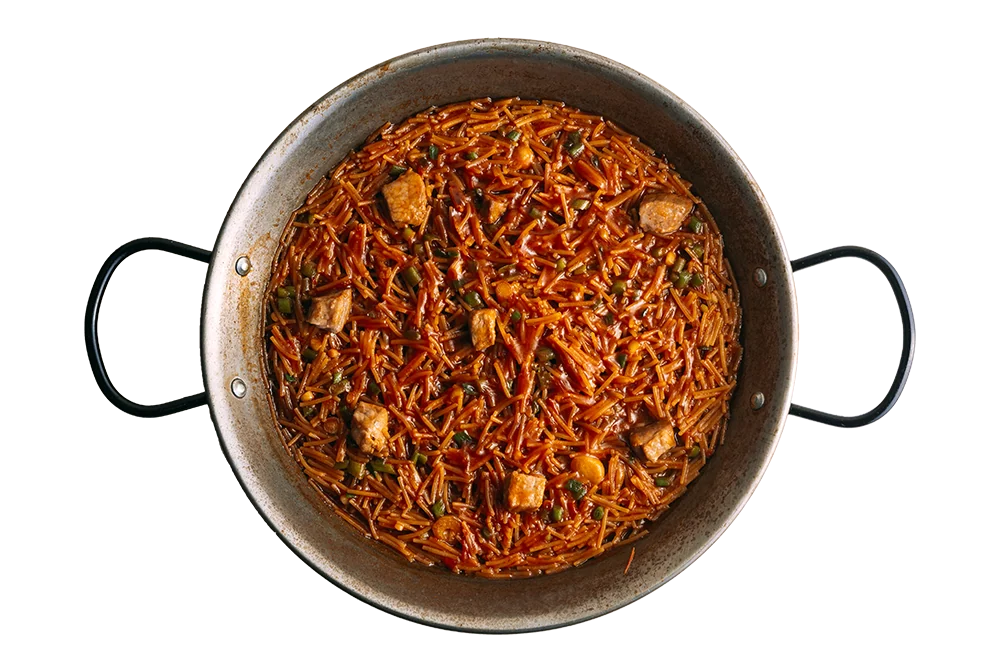
Fideuá, on the other hand, is paella's rebellious cousin. Instead of rice, it is cooked with short noodles (usually number 3), and its origins are also in the Valencian Community, specifically in Gandía. It's said that some sailors wanted to make paella, but they didn't have any rice, so they used noodles. And, hey, a great invention.
4 Main differences between fideuá and paella
1. The base ingredient
● Paella: Bomba rice or similar
● Fideuá: thin, short noodles
2. The flavor of the broth
Rice absorbs more of the flavor from the broth, while noodles tend to retain texture, but they leave the flavor more evenly distributed. That is, the fideuá has a slightly milder and less profound flavor, but is more balanced.
3. The type of cut
● In fideuá the ingredients usually come more chopped (especially seafood or meat).
● In paella, it is common to see larger pieces: chicken thighs, rabbit, vegetables, etc.
Read more 5 reasons why Spain is a rice paradise (and yes, Paellitas Tradición is the temple in Madrid and Ibiza)4. The final touch
The Fideuá is usually finished in the oven to brown the top, which gives it that irresistible crunch. Paella, on the other hand, is left to rest off the heat and achieves the famous socarrat, that layer of golden rice at the bottom.
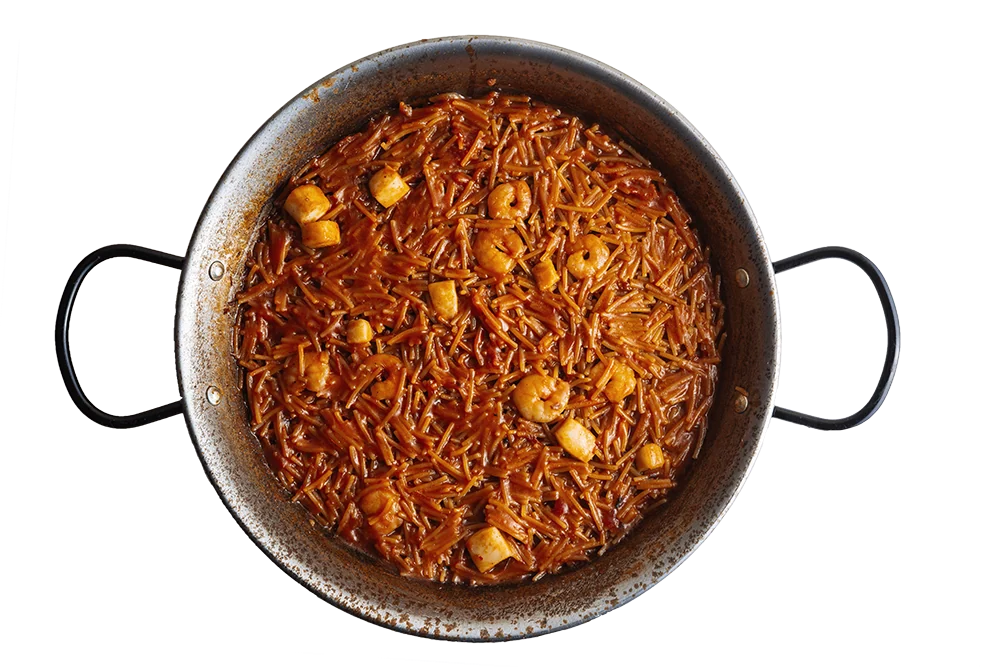
The varieties of fideuá that you should try Seafood fideuá: the classic
The most famous, the typical one, the one you've tried (or should have tried) at least once in your life. It has shrimp, squid, and cuttlefish... and a fish broth that smells heavenly.
Meat Fideuá: For true carnivores
Although less common, meat fideuá is a real delight. Chicken, rabbit, even ribs can be part of this version. The result is more intense and comforting, ideal for those seeking stronger flavors.
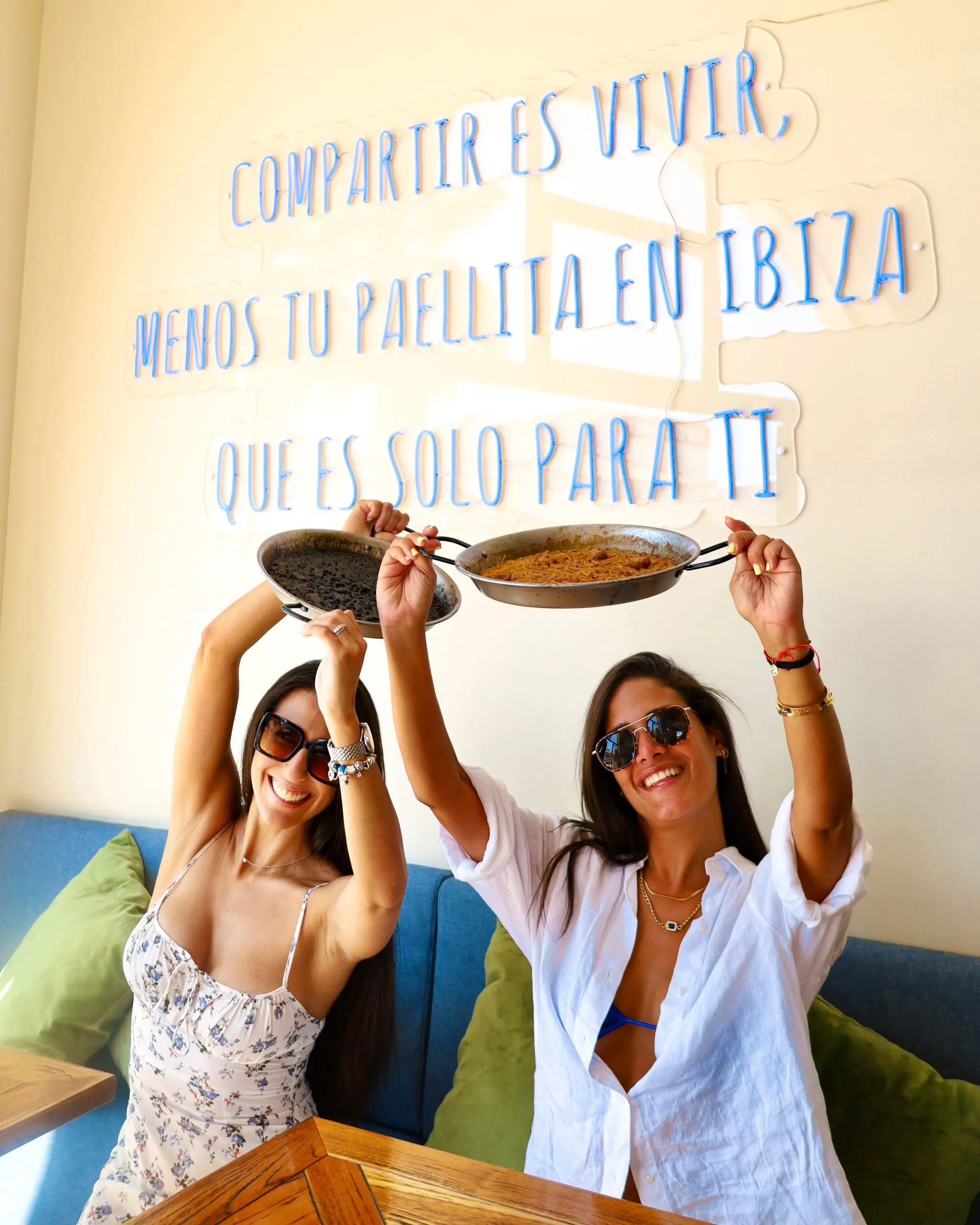
In Tradition Paellitas, for example, we have a version of fideuá of Iberian secret which is pure fantasy: juicy, balanced and with that toasted touch that makes the difference.
Vegetable Fideuá: a tasty veggie option
Yes, you can make fideuá without meat or fish, and it still has that irresistible flavor. Zucchini, red pepper, artichokes, green beans... combined with a good sautéed sauce and vegetable broth. Ideal for vegetarians (and non-vegetarians too)!
And the traditional Valencian fideuá recipe?
Well, if you want to prepare an authentic Valencian fideuá recipe, here we leave you a version very similar to the one we make in Tradition Paellitas (although, let's not kid ourselves, it is very difficult to imitate our experts).
Ingredients for fideuá (4 people):
● 400g of noodles no. 3
● 300g of cleaned and chopped squid
● 200g of peeled shrimp
● 2 grated ripe tomatoes
● 1 red pepper, sliced
● 1 liter of fish broth
● 3 cloves of garlic
● Sweet paprika
● Extra virgin olive oil
● Salt to taste
● Lemon (optional, for serving)
Step by step:
1. Fry the squid and shrimp in the paella pan with olive oil. Remove and set aside.
2. Add the bell pepper and garlic. Then stir in the grated tomato and let the sauce cook.
3. Add a teaspoon of paprika and stir quickly (don't let it burn!). 4. Add the noodles and lightly sauté.
Read more The individual paella revolution: why are they so popular?5. Pour in the hot broth and add the reserved seafood.
6. Cook over medium heat for about 10-12 minutes.
7. For a crunchier touch, put the paella in the oven 3 minutes at 200°C. 8. Let stand for a couple of minutes before serving.
And if this seems like too much hassle to you... go straight to Tradition Paellitas in Madrid or Ibiza and we'll prepare it for you in minutes.
Is it easier to prepare fideuá than paella?
In general, yes. The fideuá is more grateful, especially for beginners. Rice has its critical points: if it's overcooked, if it's tough... Noodles are easier to control and quicker to cook.
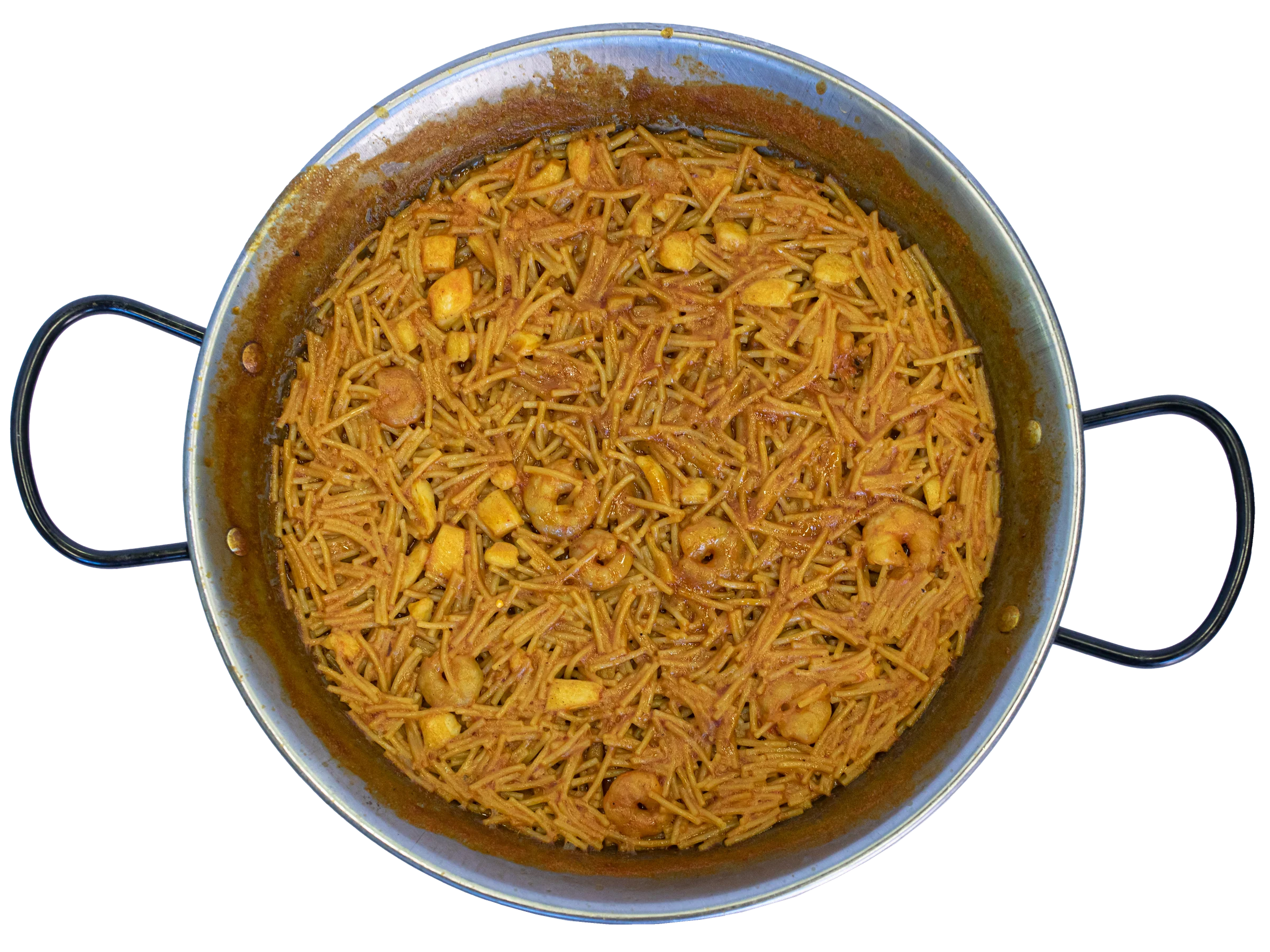
Which is more filling, fideuá or paella?
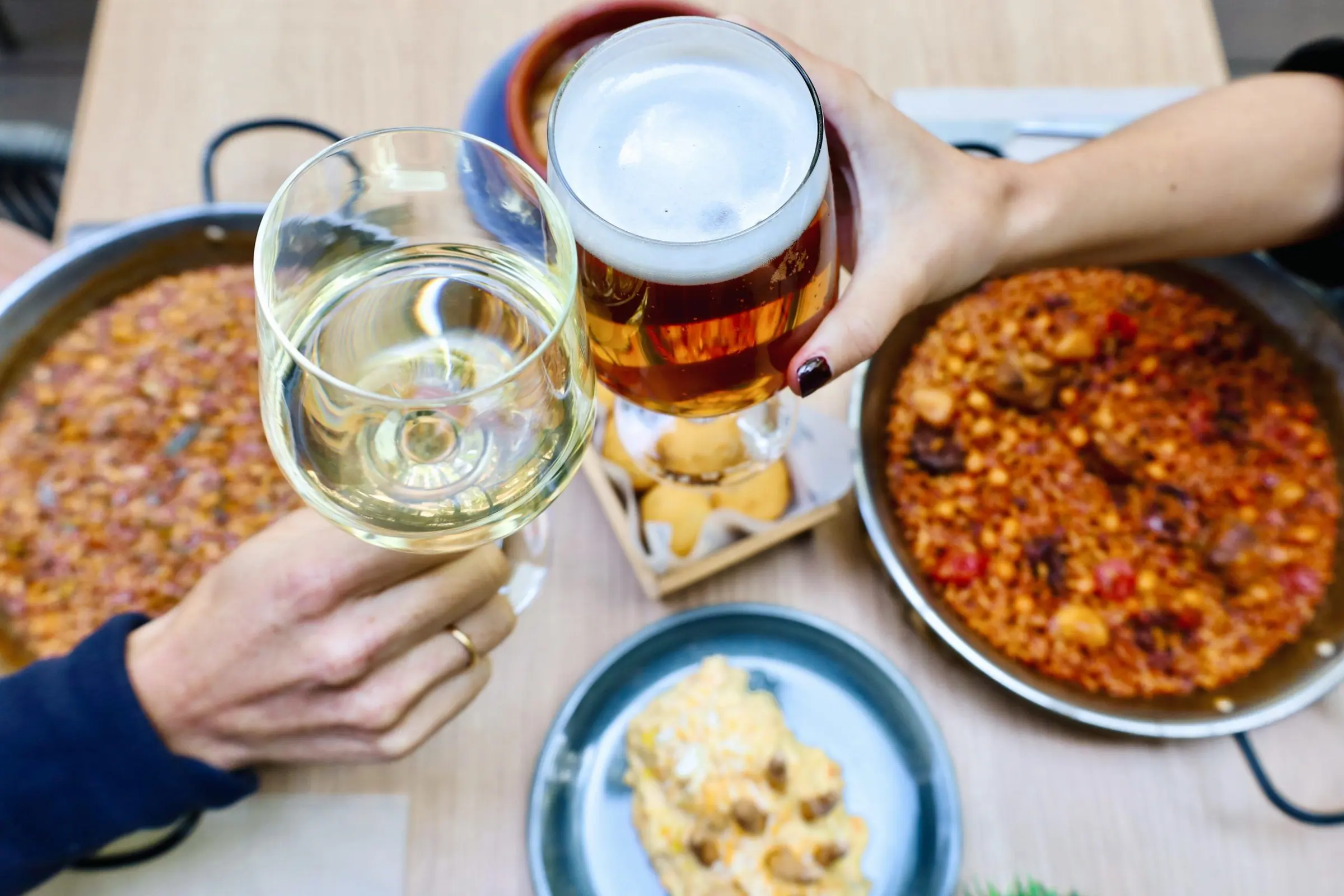
Here comes the dilemma… Many say that the paella fills more, but fideuá is easier to digest (depending on the ingredients, of course). What is clear is that Both are best enjoyed with a cold beer or a glass of white wine..
And what do the experts think?
In Tradition PaellitasWe are experts in paella, Valencian rice dishes and fideuá. We are clear: The key is in the broth and not rushing. Both the fideuá like paella, they are slow-cooked dishes with a lot of love.
Fresh ingredients, traditional techniques, and a modern touch make each dish a feast for the table.
Whether you want to try one Valencian paella as a traditional fideuá or Iberian secret, this is your place.
Fideuá or paella? Which do you prefer?
The correct answer is: with bothThey're sisters in Valencian cuisine, each with its own unique personality. If you're a fan of rice, paella is your friend. If you're craving something different, juicier and with that crunchy touch, fideuá will delight you.
And if you still have doubts... you stop by Tradition Paellitas and you ask one of each to shareThis way, you'll clear up any doubts, fill your stomach, and get into gourmet mode.
In summary: differences between fideuá and paella
Characteristic Paella Fideuá Basic ingredient Bomba rice Short and hollow noodles
Origin Valencia Gandía (Valencian Community)
Broth absorbed by the rice More distributed
Cooking type Fire only Fire + optional oven
Texture Loose grain + socarrat
Crispy on top, juicy below
Longer cooking time Faster.