Socarrat: the best-kept secret of a good paella
· 5 min read
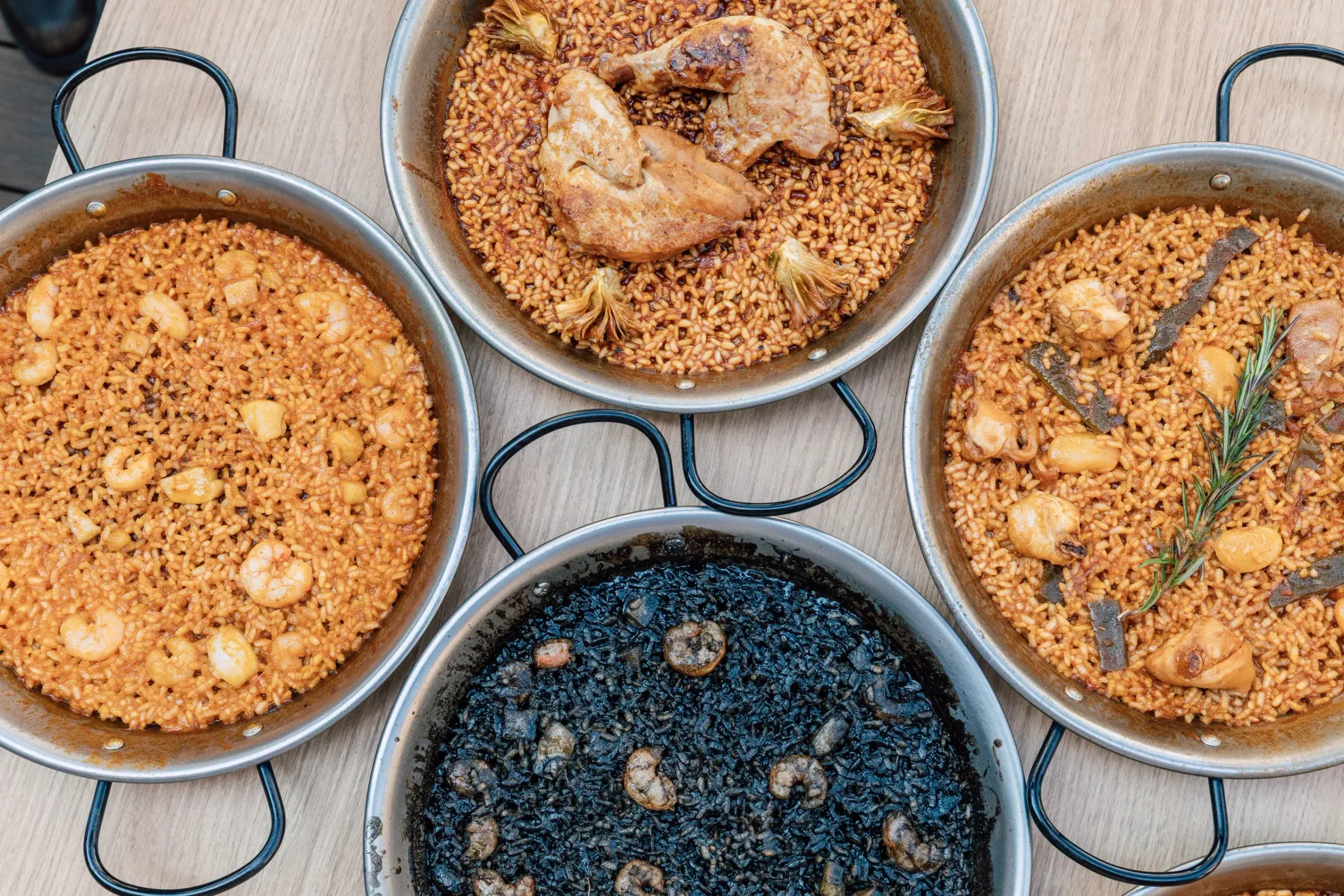
If you're one of those who happily scrapes the bottom of the paella pan, this article is for you. Because yes, socarrat is that treasure hidden beneath the rice, that thin, golden, crispy layer that many of us consider the best part of a good paella. But what exactly is socarrat? Why does it inspire such passion? And above all, how do you achieve that perfect consistency without burning the rice?
I'm going to tell you all about socarrat: its history, interesting facts you might not know, and why, for us at Paellitas Tradición, it represents the soul of a good paella. If you like a socarrat paella with personality, keep reading.
What is socarrat?
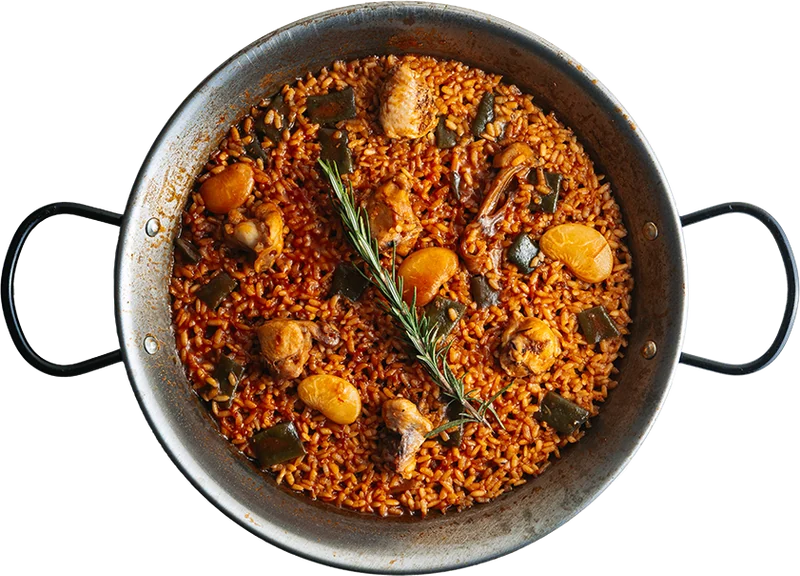
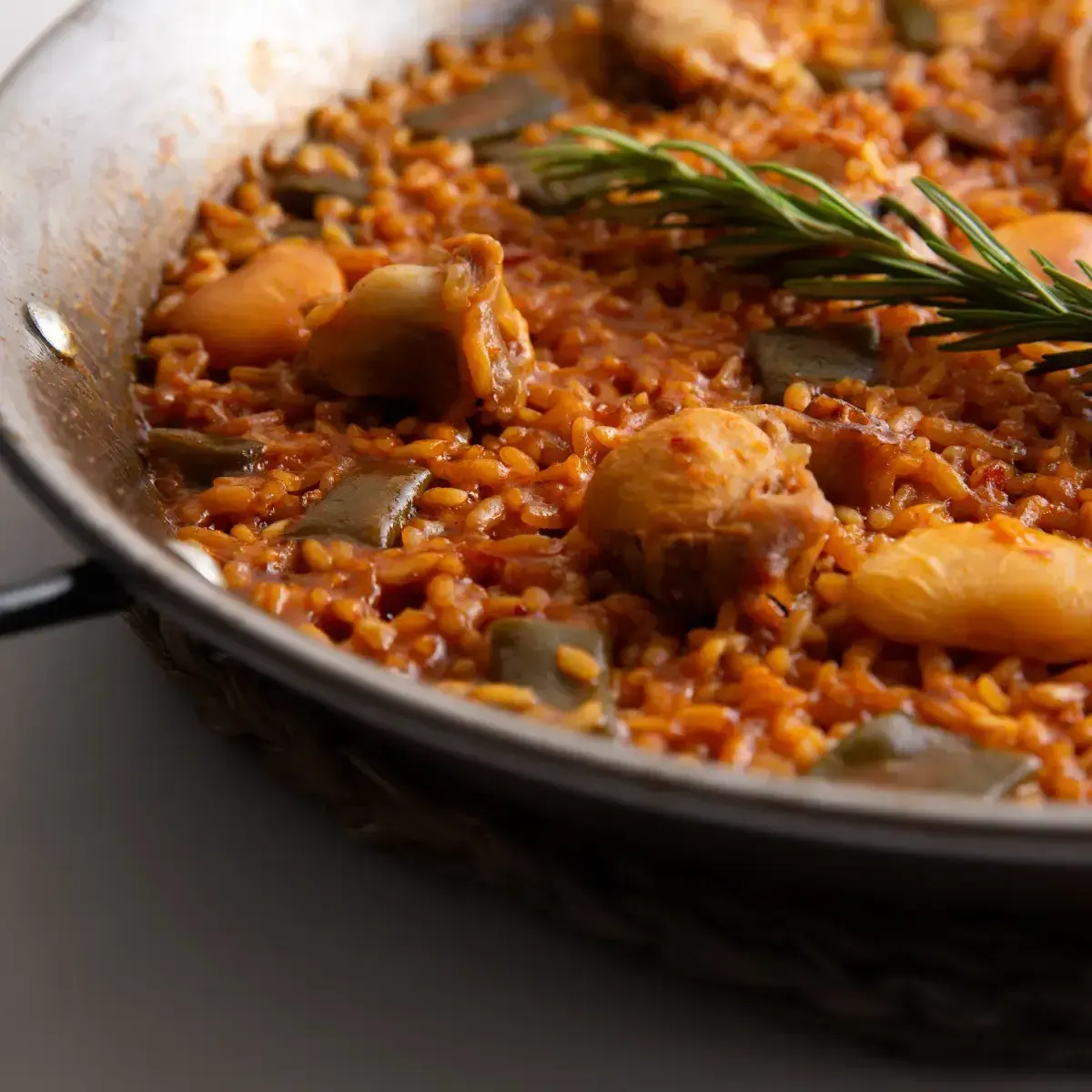
He socarrat It's the bottom layer of rice that toasts right at the end of cooking, when all the broth has been absorbed. It has a crunchy texture, an intense flavor, and that toasted smell that whets your appetite as soon as you approach it. It's not burnt rice, but perfectly toasted, which becomes the most sought-after part for many diners.
The word socarrat comes from Valencian and means "lightly charred" or "toasted underneath." In ceramics, it's also used to describe decorated pieces placed under roofs, but in the world of paella, it has a richly flavorful meaning. At Paellitas Tradición, we treat socarrat rice as what it is: a delicacy that can only be achieved by respecting the traditional technique.
A legacy of fire and rice
Socarrat is the fruit of centuries of experience cooking paellas over a wood fire. In the Valencian Community, where paella is more than just a recipe, a good paella can't be described as complete without its socarrat. It's the chef's signature, the sign that he's mastered the heat, the timing, and the rice to perfection.
At Paellitas Tradición, we continue that legacy. Every time we prepare a paella, the socarrat is no coincidence: it's our promise. We achieve it with care, respecting the heat, the rest, and every step of the process. We know that the crispy bottom is what makes the difference, and we take care of it as it deserves.
Read more Perfect paella sauce in simple stepsWhy is it so special?
Socarrat concentrates everything: the flavor of the broth, the sofrito, the oil, and the juices of the ingredients. It's an explosion of flavor, with that texture that crunches when you bite into it. It has character, but without bitterness; it's toasted, but not burnt.
The best paellas need no introduction if they have a good socarratSome people dive right in with their spoon after serving. Others save it for last, as if it were the big prize. In any case, socarrat turns a delicious paella into an unforgettable experience.
How do you make a good socarrat?
It's not magic, but it's not improvised either. Achieving perfect socarrat is a matter of practice, patience, and good ingredients. Here are some basic tips:
- The broth, at its pointThe rice should absorb all the water right at the end. Too much and it won't brown. Too little and it burns prematurely.
- Nothing to removeOnce we add the broth, the rice is left undisturbed. This allows an even layer to form on the bottom.
- The final fire does it allWhen the rice is cooked, increase the heat slightly for a minute or two. This heat activates the toasting process. If you do it right, you'll hear a very distinctive sizzling sound.
- Rest is keyOnce the heat is off, let it rest for a few minutes. This is when the socarrat finishes forming and the flavor settles.
At Paellitas Tradición, we follow these steps like a ritual. Because we know that when the socarrat is perfect, customers notice it. And many come back just for that crispy, flavorful touch they can't find anywhere else.
Socarrat and haute cuisine
Although it's a very traditional ingredient, socarrat has also made its way into haute cuisine. Today, many renowned chefs include it in their dishes, even outside of paella. There are tapas served only with socarrat rice, and modern presentations that use it as a base for other ingredients.
All of this has helped give it the value it deserves. It's no longer just a thing for grandmothers or family Sundays. Socarrat is a symbol of well-made Spanish cuisine; it requires experience, a good ear, and a steady hand.
Read more Oxtail rice with porcini mushrooms: A delicacy of traditional Spanish cuisineCuriosities of the socarrat
- In many Valencian homes, if there is no socarrat, it is not considered paella.
- Some cooks try to imitate it with industrial ovens or griddles, but the result is never the same as traditional cooking.
- There are customers who ask for an extra portion of socarrat, and even fight over the bottom of the paella pan.
- The perfect texture is neither rock-hard nor soft: it should crunch and give a little resistance when bitten, without being dry.
What if you don't like socarrat?
Some people don't enjoy socarrat, and that's fine. Some find it too intense or toasty. However, even if you don't eat it, its presence indicates that the paella has been cooked well. It's like seeing a crust on a good loaf of bread: even if you prefer the inside, you know that the crust is synonymous with quality.
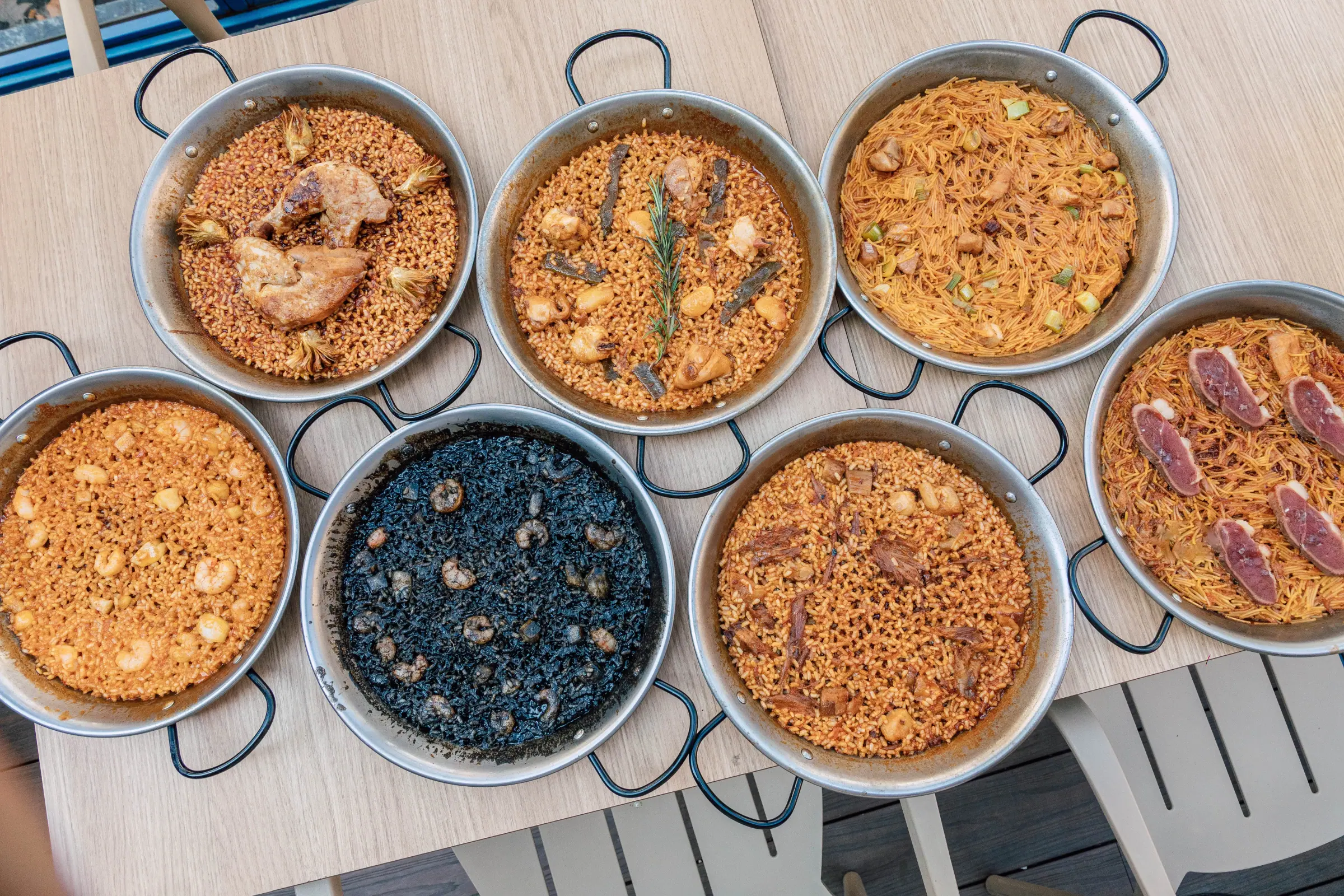
Socarrat at home: yes, you can
Although the best way to enjoy a good paella is in a good restaurant, you can also try to get socarrat paella at home. All you need is:
- A good paella (not just any pan will do)
- Bomba rice or similar
- Good homemade broth
- Controlled fire (if it's gas, better; if it's glass, use a diffuser)
Remember: don't stir the rice, measure the broth carefully, and listen for the sizzling sound at the end. If you scrape the bottom and find that crispy, golden layer, you've done it right. And if not, you know where to find it.
An experience that goes beyond
For us, socarrat isn't just a part of paella. It's proof that we take care of every detail. It's tradition, patience, and a well-managed fire. It represents what unites us to this land, its culture, and a way of cooking with love and without rushing.
In Tradition Paellitas We live it as part of our identity. Every paella we serve has that crunchy touch that keeps people coming back. Because we know that sometimes the best is at the bottom, and if you want to find out, we're waiting for you at our restaurants in Madrid or Ibiza.